Director Trevor explains why Citizen TV is right to charge for YouTube content amid backlash from Kenyans
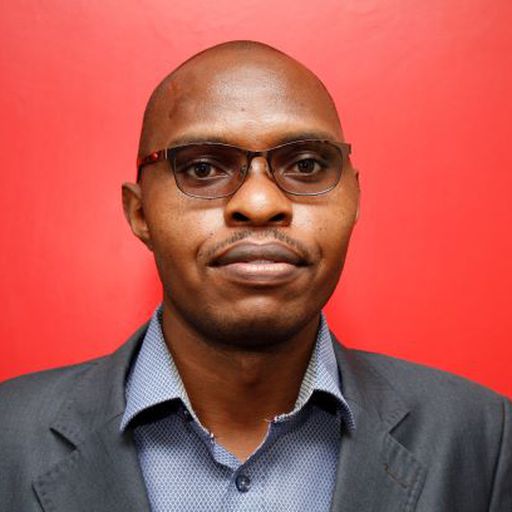

Director Trevor has shared his thoughts on the raging debate following Royal Media Services’ (RMS) move to place a paywall on their TV stations on YouTube.
On Saturday, November 21, Kenyans were surprised to find out that they could not stream Citizen TV, Ramogi TV and Inooro TV for free on YouTube with a monthly subscription of Ksh350 now required to access their content.
The move by the giant broadcaster to monetize their content drew mixed reactions with some condemning them for charging the very consumers who have built them for years but others feel they are right to go that direction.
Director Trevor is among those who think Royal Media is right to test the waters as it could change the dynamics not just for the media industry in Kenya but the entire entertainment industry which is struggling to monetise their content.
What is behind Citizen TV’s move?
“I think Kenyans are missing the bigger picture with what Citizen TV is trying to do, and honestly, we might be pulling our own media industry backwards,” he posted on his Instagram story.
“First, the amount of advertising money going into mainstream media has reduced significantly. Media houses can’t continue depending on advertising alone to fund everything they do,” he went in, explaining what is behind Citizen’s move.
“Think about what it takes for Citizen to get news for us on time and have eyes everywhere, journalists, cameras, transport, studios, technology, editors, correspondents and thousands of employees. That operation costs money.”
Director Trevor feels RMS has been bold to take the step and it could end up benefiting the entire entertainment industry in Kenya, if the model is successful.
Trevor lauds RMS for taking big risk
“I also think Citizen has taken a big risk by becoming a case study for this model,” he added. “If it works, don’t be surprised when NTV, KTN and others start exploring the same direction.”
“And this is bigger than Citizen. Media companies, creatives, musicians and even content creators are all heading towards the same future, building audiences that are willing to pay directly for the value they receive instead of depending directly on advertisers or platforms,” he observed.
He believes it is time Kenyans started having a conversation about the need to pay for content given the advertising pie has been shrinking by the day.
“And please, don’t look at Citizen’s YouTube views and assume they are making enough money from YouTube to run that entire operation. Views are not the same thing as profit,” he said.
Divided opinion on paywall model
“We may disagree with the way Citizen is doing it and consumers have every right to decide whether they want to pay but let’s have an honest conversation about the bigger issue; how do we build a Kenyan media and creative industry that can survive without depending entirely on advertising?
“Because whether we like it or not, that conversation is coming.”
His take received various views with some rejecting his assertion by stating that RMS is selling what is easily available, pointing to the fact that rivals NTV and KTN have seen increased views on YouTube since the move, as a sign that the model will not work.
Director Trevor, however, insists the paywall model could still work if Citizen TV and its sister stations produced unique and exclusive content.

-
Pulse Kenya 14.04.2020Jeff Koinange's Homes Face Auction Over Ksh130 Million Debt
-
 Pulse Kenya 14.04.2020"Who Is Pushing This Lockdown Crap & Why?" - Ezekiel Mutua


